Book Making
- Kora Elizabeth
- Oct 1, 2020
- 3 min read

Updated: Oct 22, 2020


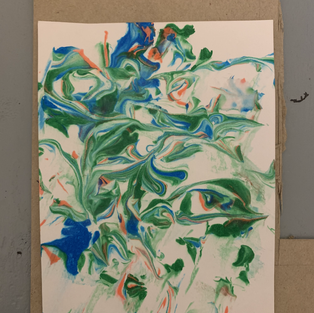


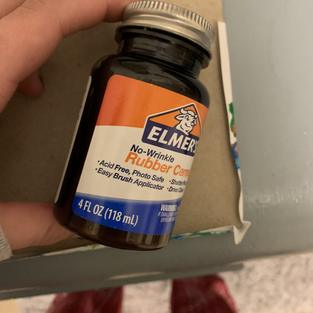


For the Accordion book, the first step was to cut the book-board. I used an exacto-knife to ensure a clean cut and to be able to cut along side a ruler. Afterwards I used shaving cream marbling paper to cover the book-board for the front and back cover. I folded the edges of the shaving cream marbling paper over the book-board on both sides and pasted it with rubber cement. Then I folded paper in an accordion pattern and pasted the two ends the the book-board covers. The following result is listed above and below.

Accordion book with book board ends and shaving cream marbling

This is an updated image of the second try at completing the accordion book, in this example the paper fills the book-board as to hid the shade of the book-board.

Japanese Stab book


Pamphlet book


Inner inscriptions for Japanese Stab book.
Alcohol inks page "Alcohol ink works are created using a water soluble type of paper and specific alcohol inks; as well as rubbing alcohol, straws and pipets. To create the specific design found in this book, many alcohol inks were used and were made more thin using the rubbing alcohol in the pipet. Afterward the straw was used by blowing into one end and protruding the air to the paper to spread out the hues from the inks. And allow them to spread onto the page."
Turkish marbling page "Turkish marbling was a process involving paper that had been prepared with carrageenan. a stick(ex:toothpick) and the appropriate paint. It involved the paper being dipped into a mixture of the paint , carrageenan and water. The Carrageenan rose the the top as well as the paints. When manipulated with the stick. The paper could be applied to the pattern of the work. Once the paper is pulled out slowly and the Carrageenan is released the Ebu Marbling is eviddent and the paper is allowed to dry. "
Paste Paper page "Paste Paper works are made using a mixture of cornstarch and water as well as acrylic paint. These particular mixtures develop a thick medium that is easily manipulated with texture tools. For the purposes of my designs I only used my own texture tools rather than finger painting as a tool. In several of my paste paper designs I combined multiple colors of acrylic paint to create a more dynamic color combination. the solid blue cover was only created using one shade of blue. However, the red and pink design page in the book was created using two separate shades as well as a texture tool"
Pastel Marbling page" Pastel paper is created shaving various chalk pastels into a tray of water and the paper was to be dipped into the water and picked up. After the dipping process an image would appear on the paper that creates the marbling effect on the front and back"
Suminagashi marbling page "Suminagashi marbling is created in a similar fashion to the other forms of marbling but is more subtle and created using water as a primary source to create the marbling. A small wet paintbrush is used in a tray full of water and inks to separate the inks into patterns. The patterns become stronger when more ink is added and the wet paintbrush is dipped into the mixture more precisely."
Shaving Cream marbling page "Shaving cream marbling is a unique craft that involves very few products and yet creates a diverse marbling pattern. The shaving cream craft involved food coloring shaving cream, a paper plate and a sheet of paper of some kind"
Pulp paper page: " Pulp paper is created by ripping up pieces of recyclable paper and soaking them in water for as little as 20 minutes. Afterwards the paper is blended and immersed in a tray of water that is separated by a sifting tray and a mold that creates the shape of the paper. The paper is then left out to dry for a period of either several days or longer. The pulp paper hardens and that is why the paper was selected for the cover of the Japanese stab book."


Comments